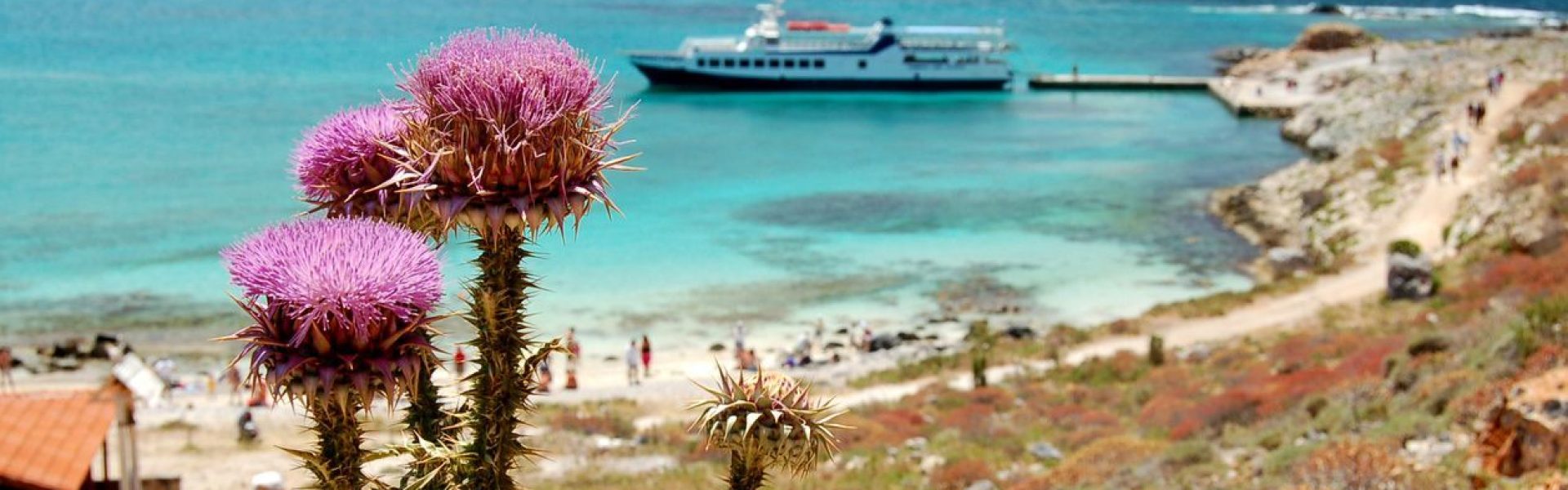
October is one of the greatest months to book a trip to Greece’s largest island. The summer crowds have thinned out, the sea is still warm enough for swimming, and prices drop noticeably once the school holidays end.
Crete is the largest of the Greek islands and the most southerly, located closer to North Africa than to Athens. That position matters in October. The island is 260km end to end, with a mountain range splitting the cooler, greener north from the hotter, drier south.
This guide covers everything you need to plan a trip well, including the weather in Crete in October, what to do, which beaches to visit, and what to pack.
Why October in Crete is a good time to visit
October in Crete is right between high summer and the quieter winter months. You get most of the warmth without the intensity.
Daytime highs are comfortable, the archaeological sites are walkable instead of sweltering, and you can usually get a table at a good taverna without booking days ahead. This is also harvest time, so olives and grapes are being picked across the island.
The peak of summer is loud, hot, with many beach clubs and festivals taking place; however, October has a calmer version of the same island.
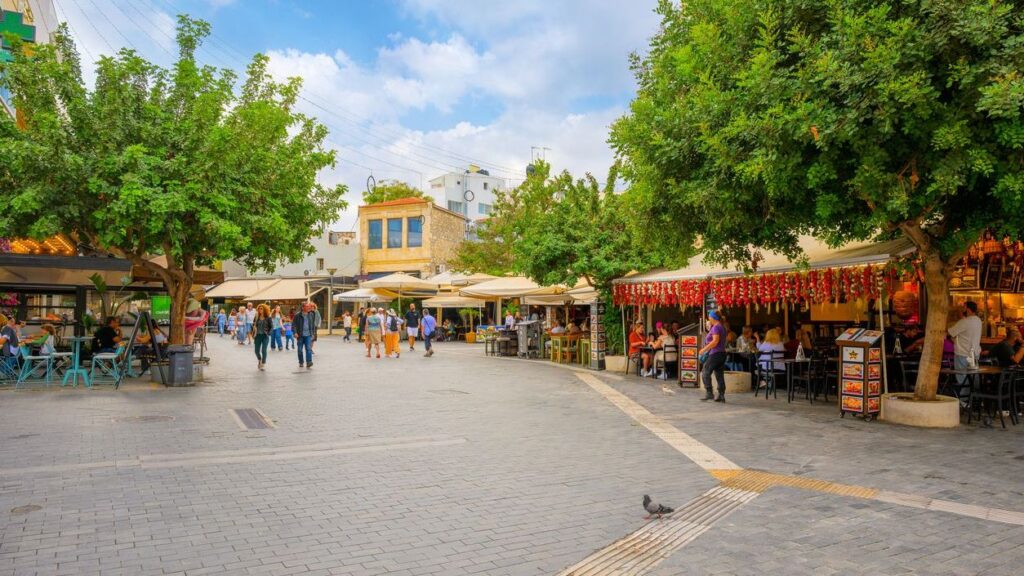
Pros and cons to consider when planning a holiday to Crete in October:
- Pro: the sea is still warm at around 23°C, comfortable for swimming
- Pro: fewer crowds at Knossos, Samaria Gorge, and the main beaches
- Pro: cheaper flights and accommodation after the first week
- Pro: ideal temperatures for hiking and exploring towns
- Con: Some beach bars and seasonal tavernas start closing late in the month
- Con: a higher chance of rain than summer, mostly short showers
- Con: shorter daylight, with around 7 hours of sunshine a day
Weather and temperatures: how hot is Crete in October?
If you are wondering how hot is Crete in October, the honest answer is that it’s pleasantly warm rather than baking. It is one of the best temperatures for walking around and discovering cities and ruins.
Daytime highs average around 22°C to 24°C, dropping to roughly 15°C to 17°C at night. The sea holds onto summer heat and sits at about 23°C, only a couple of degrees below its annual peak.
Rain does pick up in October on the island compared with summer. You can expect roughly 40mm to 50mm spread across a handful of wet days, usually short showers rather than heavy rainfall. The south coast tends to stay drier and warmer than the north, and the mountains have their own microclimate.
Best things to do and see
Cooler air makes this the right month for the things that are miserable in August heat.
The Minoan Palace of Knossos near Heraklion is far easier without the summer queues, and the Palace of Phaistos to the south is well preserved and rarely busy. Walkers should put the Samaria Gorge near the top of the list, though check it is still open before you go, as the season usually winds down in the second half of the month.
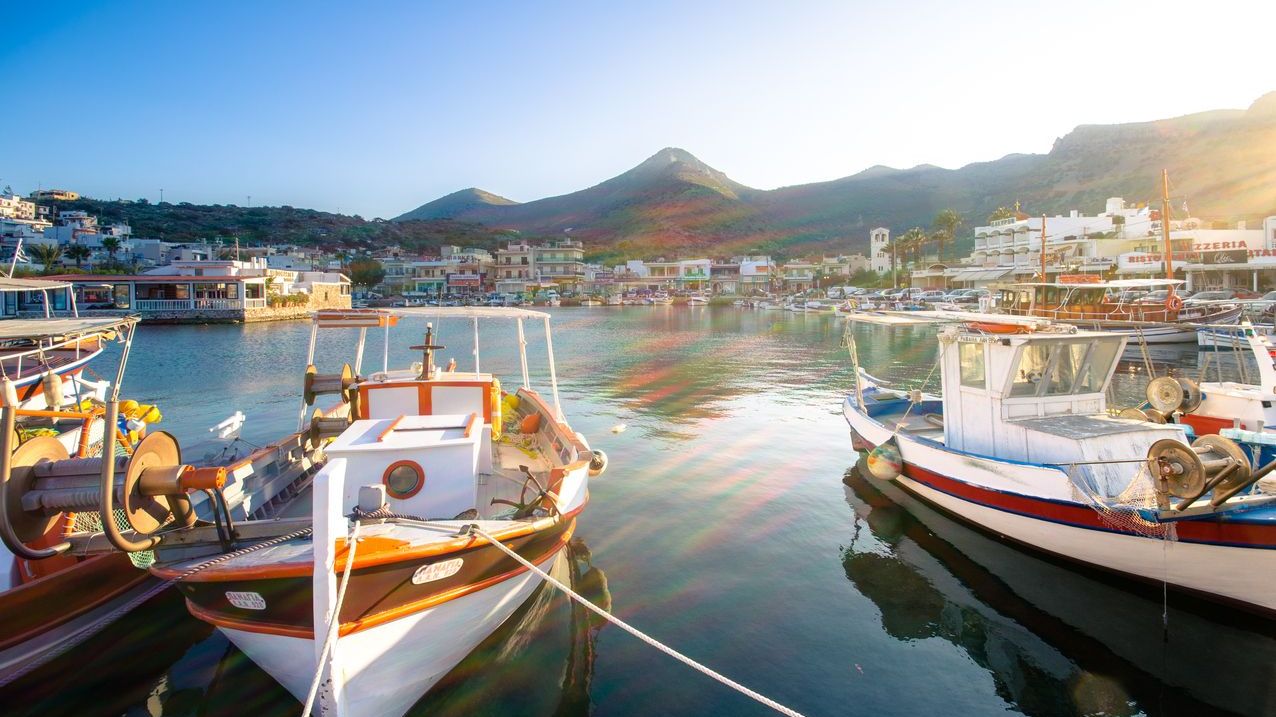
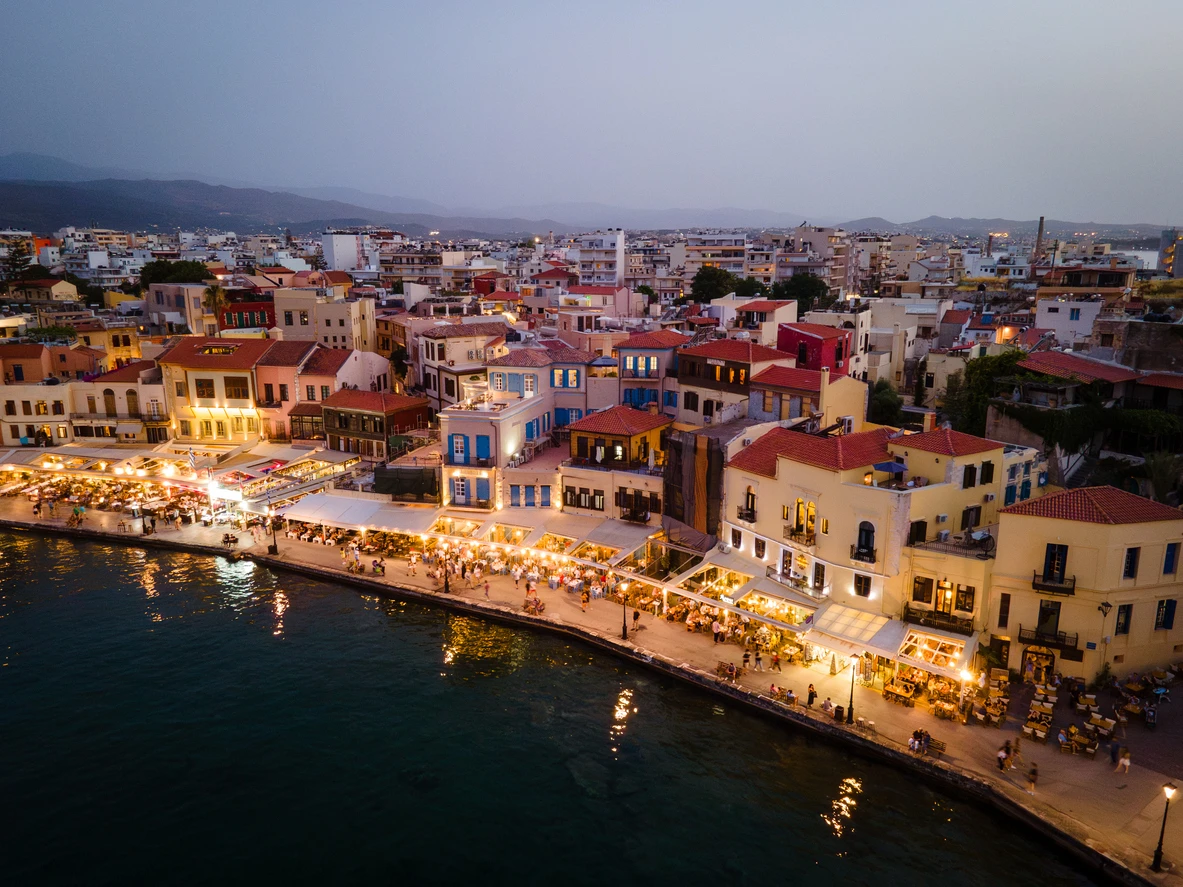
The old towns are perfect this time of year. Wandering the Venetian harbour and back streets is genuinely pleasant rather than sweaty, and our local-led things to do in Rethymno rundown is a good starting point.
The atmosphere in Old Town Rethymno is at its best in autumn, with the heat off the stone and the crowds gone.
Must-do checklist:
- Walk through Knossos or Phaistos without the summer crowds
- Hike part of the Samaria Gorge if it is still open
- Spend an evening in the old town of Rethymno or Chania
- Try fresh-pressed olive oil and new-season wine during harvest
- Drive to the south coast for warmer, drier days
- Visit a local festival tied to the grape and olive harvest
Beaches and swimming
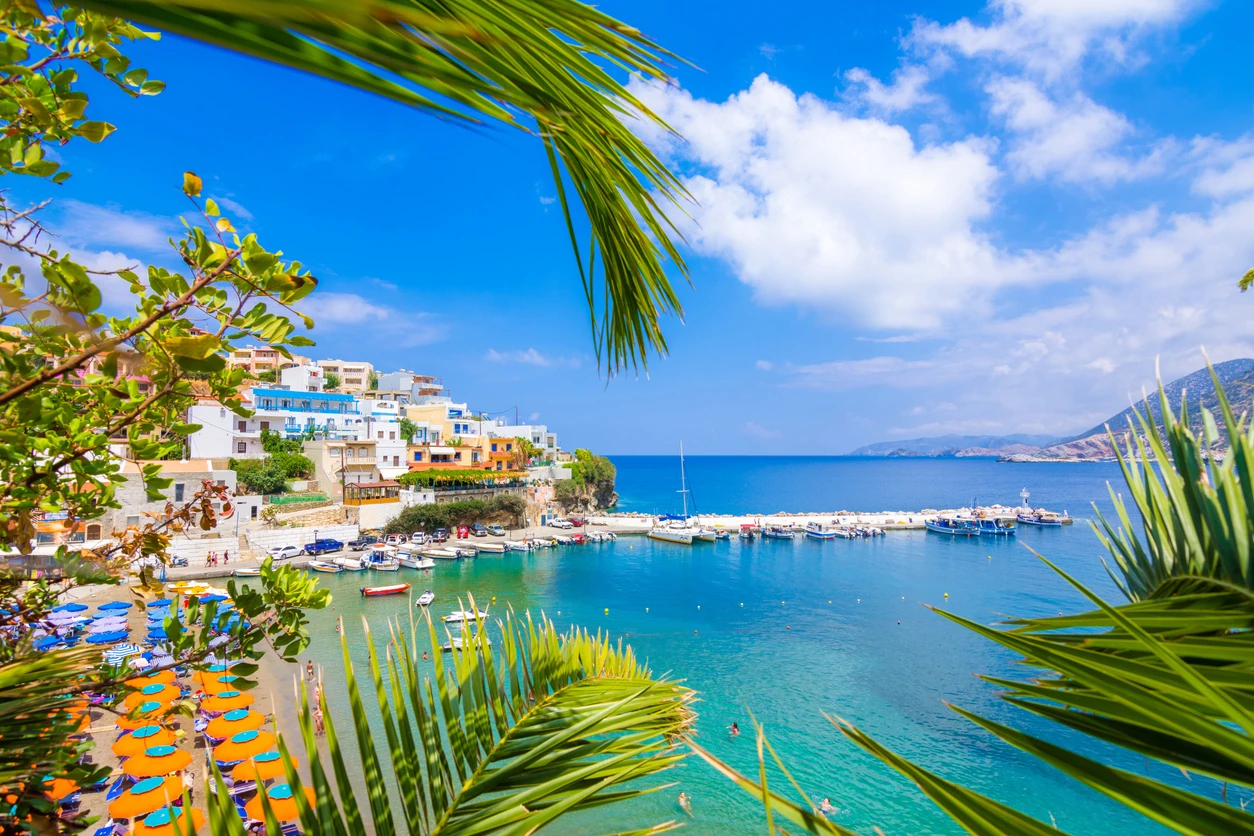
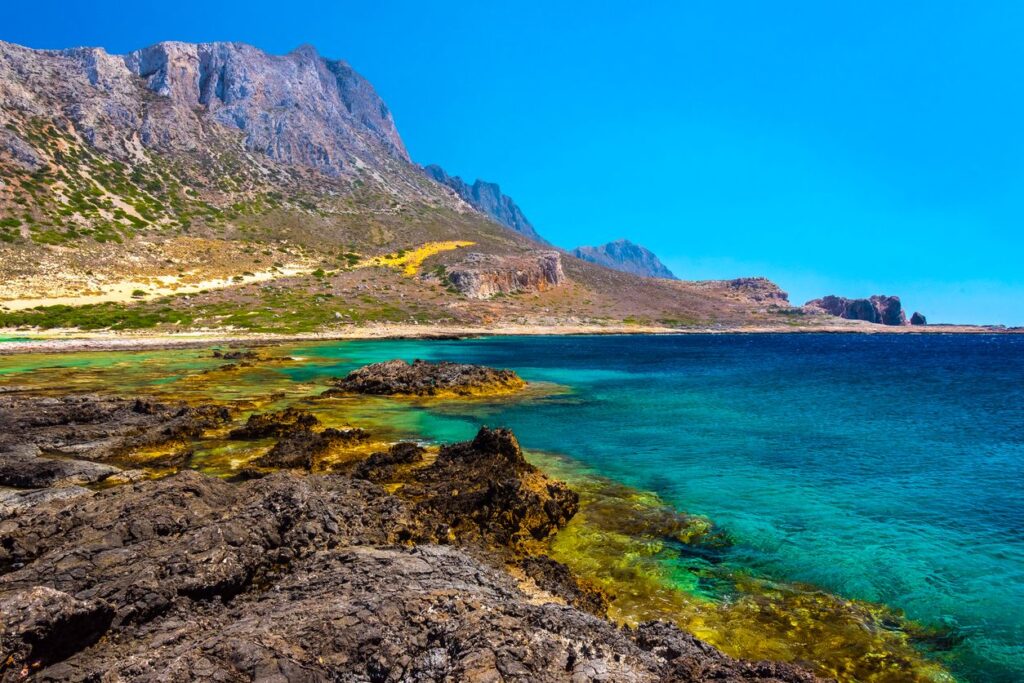
The sea is roughly 23°C, so swimming is still a great activity option! And the beaches are not as busy as in July and August.
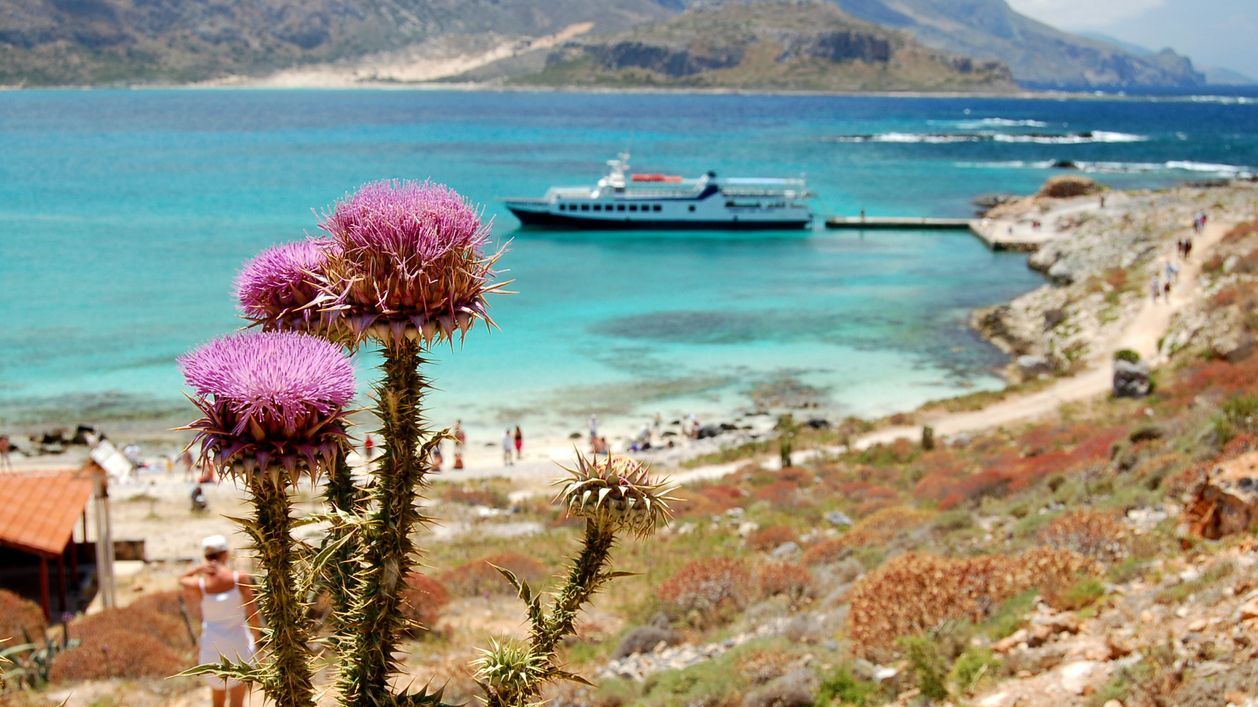
Elafonisi in the south west, with its pink-tinged sand, is one of the best in Greece and far more relaxed now. Balos Lagoon and Falassarna are also worth the drive, and the south coast stays warmer and calmer.
Remember: Some beach bars and sunbed operators reduce hours or close as the month goes on, so bring water and shade if you are heading somewhere remote.
Essential travel tips for October
The last week of October is the UK half-term, so that single week gets busier and pricier. Book early if you are tied to those dates. Outside of it, you will find some of the best values of the year, and our guide to the best places to stay in Rethymnon is a useful reference when comparing areas.
Also, hiring a car is a great choice, and we highly recommend it since the island is large and the best beaches and gorges are not close together.
- Hire a car to reach the south coast, gorges, and quieter beaches
- Book flights and accommodation early for the half-term week
- Air conditioning is rarely needed, which widens your choices
- Check opening dates for the Samaria Gorge and seasonal beach bars
- Keep evenings flexible, as that is when the air cools fastest
What to pack
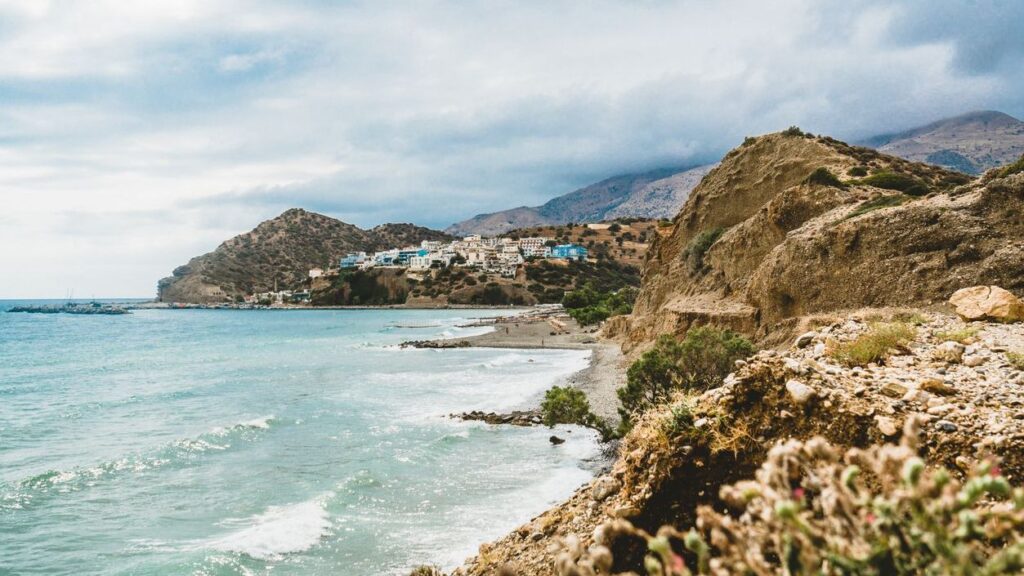
Pack for summer days and cooler nights. Most of your bag is the same as a July trip, with a few warmer items added for the evenings.
- Swimwear, shorts, and light summer clothes for daytime
- A jumper or light jacket and longer trousers for evenings
- A light rain jacket or compact umbrella for the odd shower
- Comfortable shoes for old towns, ruins, and gorge paths
- Sun cream and a hat, since UV is still moderate
- A reusable water bottle for hikes and remote beaches
Book your October in Crete trip
Crete in October gives you warm seas, walkable ruins, quiet beaches, and a real harvest season, all at lower prices than in summer.
It is one of the most eventful times to come, and the only catch is the half-term week, which fills up fast. Browse our holiday rentals in Crete and book your Crete in October escape with Oreo Travel today.