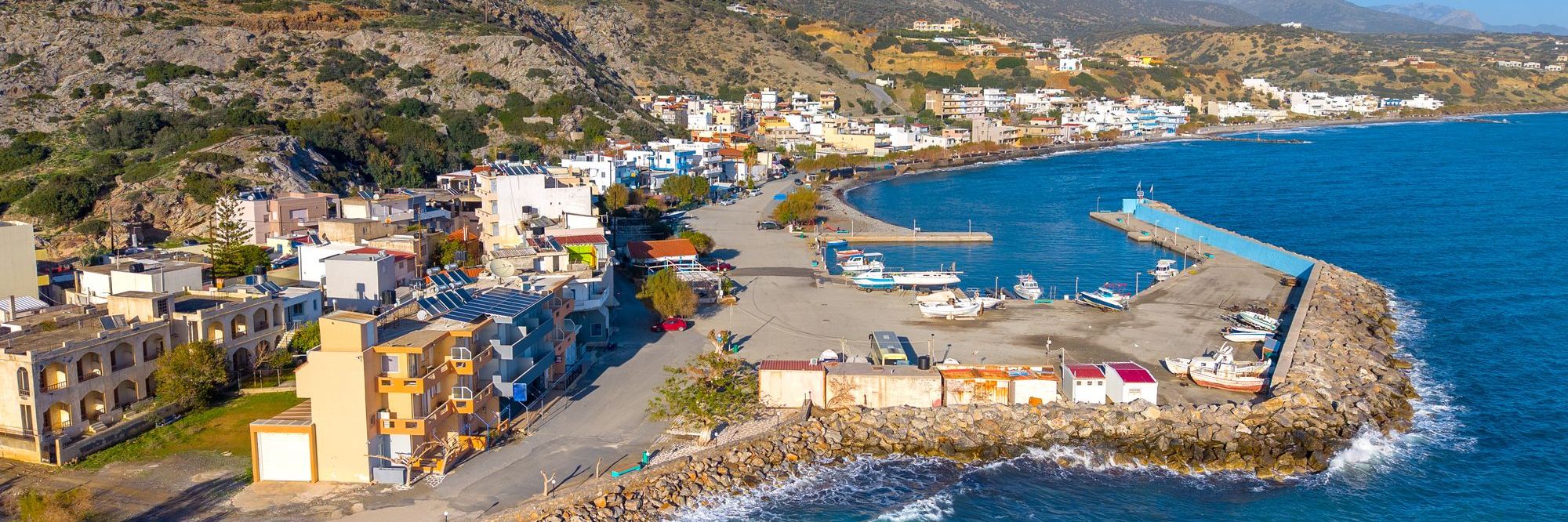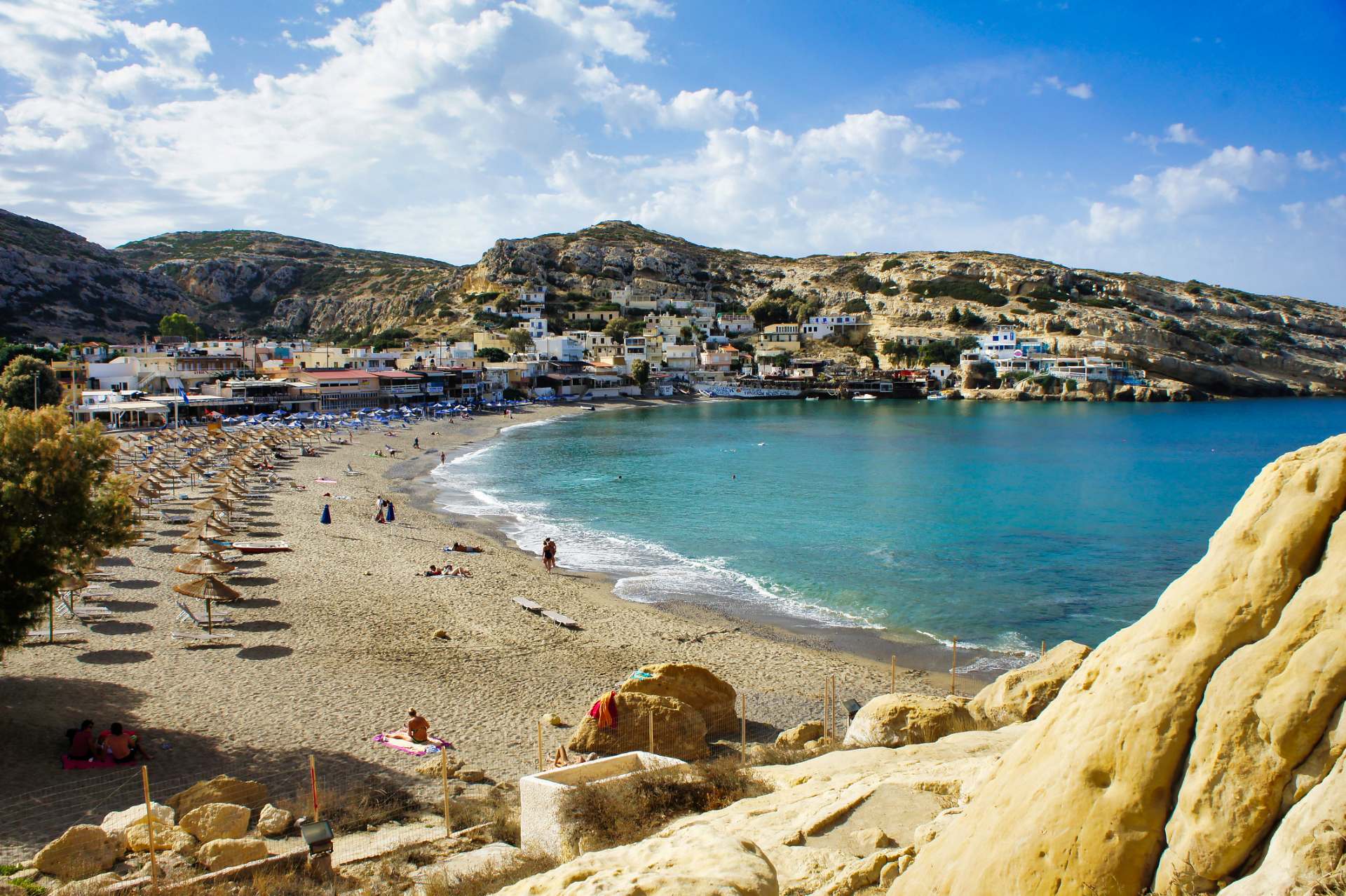
Crete in January is the island’s quietest month. Hotels on the coast close, the summer crowds are gone, and Cretans get back to their own routines after the holidays. What you get instead is mild daytime weather, snow on the mountains, empty archaeological sites and some of the best food of the year.
In this guide, we cover what the weather in Crete in January is really like, what to do, the events worth planning around, what to pack and how to get around when the island slows down.
Is Crete in January worth visiting?
January is best for anyone who wants to explore history, walking, and food. It doesn’t suit you if you want guaranteed sunshine and swimming.
Pros and cons of Crete in January
- Pro: You’ll have Knossos, Chania’s old harbour and the old town of Rethymno mostly to yourself.
- Pro: Holiday rentals cost much less than in summer.
- Pro: It’s orange and olive oil season, and the tavernas cook winter dishes like stifado and slow-cooked lamb.
- Con: Many resort hotels, beach bars and tourist restaurants close until spring.
- Con: Some days are wet and windy, and the sea is too cool for most people.
- Con: Boat trips and some gorge walks don’t run.

If you’ve already seen the island in December, January is very similar, just without the Christmas lights and with a little more chance of rain.
What is the weather in Crete in January like?
January is the coolest month of the year on Crete, along with February. Daytime highs usually sit between 12°C and 15°C, and nights fall to 7°C to 10°C. So, how hot is Crete in January? It isn’t hot. It’s mild, though, and on a sunny day on the south coast it can feel like a cool spring day in the UK.
The January weather in Crete changes quickly. You might get three bright, calm days followed by a day of heavy rain and strong northerly wind. The north coast, where Heraklion, Rethymno and Chania are located, is usually wetter and windier than the south coast around Ierapetra.
What are the best things to do in Crete in winter?
Winter is the best time of year for sightseeing on Crete, because you won’t be queuing or walking around ruins in 35°C heat.
- Visit Knossos without the crowds. The Minoan palace south of Heraklion is open in winter from 8 am to 5 pm. Entry costs €20 for adults all year, and it’s free on the first Sunday of the month from November to March.
- See the Heraklion Archaeological Museum. It holds the original frescoes and finds from Knossos, so it’s worth pairing with the palace on the same day.
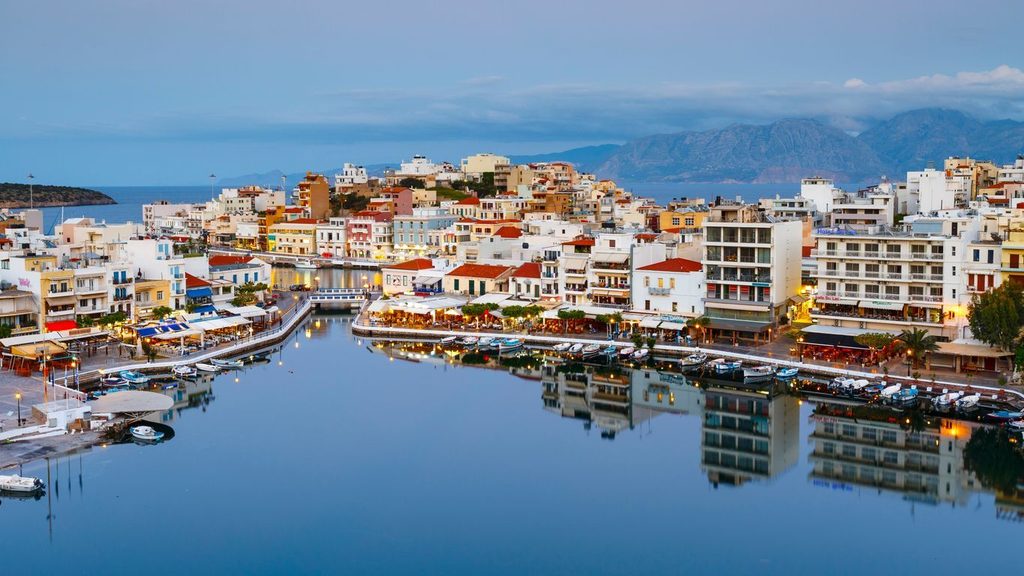
- Walk the old towns. Chania’s Venetian harbour and Rethymno’s old town are lovely on a dry winter afternoon, with cafés full of locals instead of tour groups.
- Go wine tasting. The wineries around Archanes and Peza, south of Heraklion, stay open all year. Ring ahead to book.
- Drive up to the mountain villages. The Lasithi Plateau and Anogeia often have snow in January. Check the road conditions first.
- Hike the coastal paths. Short sections of the E4 path along the south coast are at their best in cool weather.
Crete in January must-do checklist
- Knossos first thing in the morning
- A long lunch in a village taverna
- Fresh oranges or orange juice from a Chania market
- A view of the snow on the White Mountains
- Raki after dinner (it’s usually on the house)
- A sunset walk along a Venetian harbour
Which events and festivals take place in Crete in January?
January has fewer festivals than summer; however, there are a few local festivities worth visiting.
| Date | Event | What happens |
| 1 January | New Year’s Day (Agios Vasilios) | Families cut the vasilopita cake, and whoever gets the hidden coin is said to have good luck for the year |
| 6 January | Epiphany (Theofania or Ta Fota) | Priests throw a cross into the sea, and swimmers dive in to bring it back |
| Throughout January | Olive harvest | Village presses are working, and you can often buy fresh oil directly |
What to pack for Crete in January
We suggest packing as you would for spring weather in the UK, with something for rain and something warm for the evenings.
- A waterproof jacket and a small umbrella
- A warm jumper or fleece for the evenings, since many older houses don’t have central heating
- Comfortable walking shoes with good grip for wet marble streets and archaeological sites
- Sunglasses and sun cream, because the UV index can still reach moderate on clear days
- A hat and gloves if you’re heading into the mountains
- Swimwear, just in case you get a calm, sunny day
Practical travel tips for visiting Crete in January
The island runs on a winter timetable, so a little planning goes a long way.
- Hire a car. Buses still run between the main towns, but services are reduced, and rural routes are very limited.
- Base yourself in a town, not a resort. Heraklion, Chania and Rethymno stay open all year. Resort strips like Hersonissos and Malia are mostly closed.
- Check opening days. Archaeological sites close on 1 January, and smaller museums may have shorter winter hours.
- Know what’s closed. The Samaria Gorge is shut in winter, and most boat trips (such as those to Balos and Spinalonga) don’t run.
- Choose a property with heating. Ask about it before you book, since a fireplace or air conditioning with a heat setting makes a real difference.
- Look for direct flights. Winter flights from the UK are limited, so you may need to change in Athens.
If you’re planning family holidays in Crete out of season, a self-catering holiday gives you space to cook and relax on rainy days.
Book your winter stay in Crete with Oreo Travel
Crete in January is quiet, affordable and much more local than you’d expect. The weather in Crete in January won’t give you a beach holiday, but it’s ideal for exploring the island.
Oreo Travel has villas, houses and apartments across the island, from holiday rentals in Chania near the old harbour to places to stay in Heraklion within reach of Knossos. Book your holiday today!