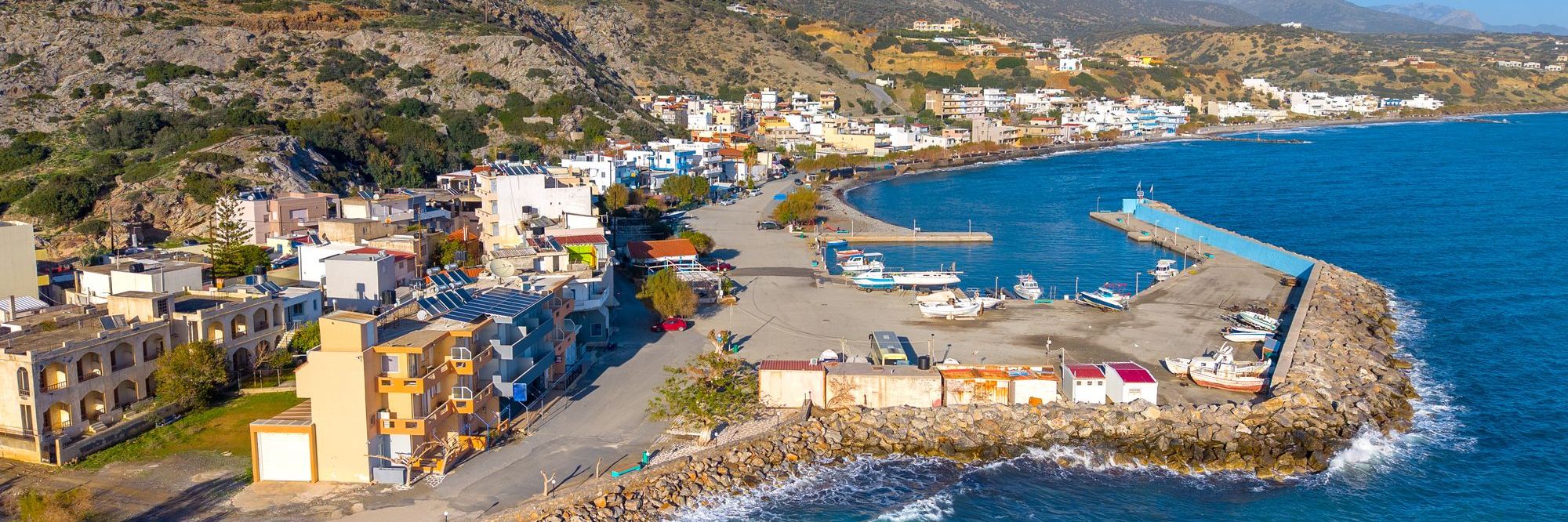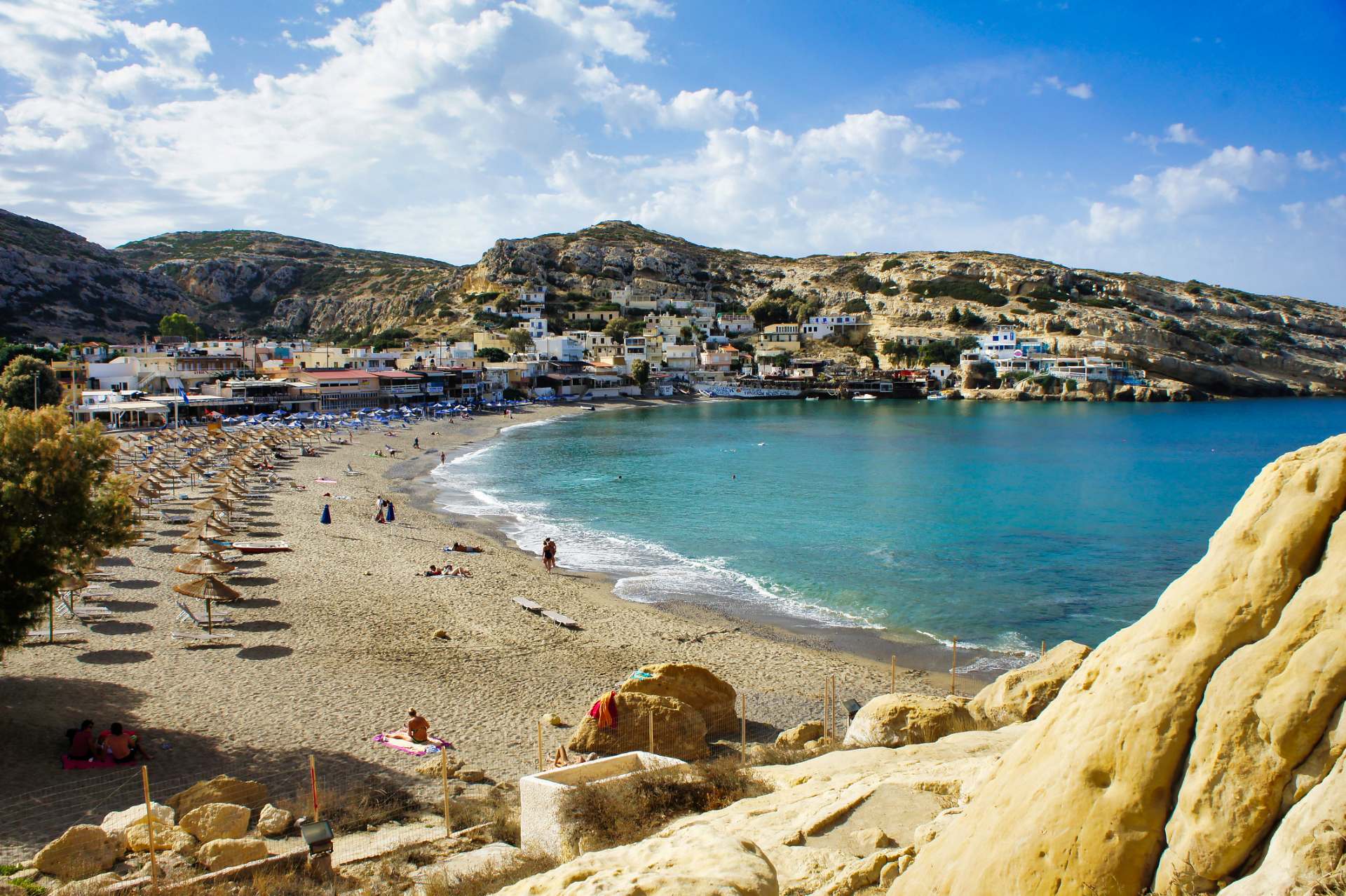
Visiting Crete in November is a great option if you want mild weather, fewer crowds, and a more relaxed island experience.
The busy summer season has ended, but Crete is far from quiet. Local towns and villages continue with everyday life, restaurants serve seasonal food, and the olive harvest and raki-making season bring a distinctly autumnal atmosphere.
November is also a great month for exploring the outdoors. Temperatures are generally comfortable for walking and sightseeing, while archaeological sites and towns are much quieter than they are during summer.
Join us and discover why visiting Crete in November isn’t such a bad idea!
Is November a good time to visit Crete?
Yes, especially if your priorities are sightseeing, hiking, food, and local culture rather than guaranteed beach weather.
By November, summer crowds have largely disappeared. Meaning you can explore places such as Heraklion, Chania Old Town, Knossos, and Rethymno at a slower pace.
Accommodation and car hire can also be cheaper than during the peak summer months.
There are a few things to keep in mind, though. Some beach resorts and tourist businesses close for the winter, and ferry or boat services may operate less frequently. Weather can also vary from one day to the next.

What is the weather like in Crete in November?
Crete has a mild Mediterranean climate, and November is generally much warmer than winter in northern Europe. Daytime temperatures often reach around 17–20°C, while evenings can fall to approximately 12°C.
Rain becomes more common in November, particularly later in the month. However, rainy days are often mixed with periods of sunshine rather than continuous rain.
The sea is cooler than during summer but can still be suitable for swimming if you are comfortable with temperatures around 20°C.
| What to expect | Typical November conditions |
| Daytime temperature | Around 17–20°C |
| Evening temperature | Around 12°C |
| Sea temperature | Around 20°C |
| Rain | More frequent than in summer |
| Sunshine | Still possible on many days |
| Best for | Walking, sightseeing, hiking and culture |
What to Pack for Crete in November
- Light layers for changing temperatures
- T-shirts and long-sleeved tops
- A light jacket or jumper for cooler evenings
- Waterproof jacket or raincoat
- Comfortable walking shoes
- Swimwear
- Rash guard or wetsuit if you plan to swim
- Small umbrella for rainy days
Where should you stay in Crete in November?
Your best base depends on what you want to do during your trip.
Chania is a good choice if you want an atmospheric Old Town, restaurants, and easy access to western Crete. Its Venetian harbour and historic streets are particularly pleasant to explore without the summer crowds.
Rethymno offers a smaller-city feel, with a well-preserved Old Town, Venetian and Ottoman architecture, and a long beach. Its central location also makes it useful for exploring different parts of the island.
Heraklion is worth considering if history and museums are high on your list. It is also convenient for visiting Knossos and the Heraklion Archaeological Museum, while its larger size means more services remain available outside the summer season.

What food and cultural experiences can you enjoy in November?
November is an interesting time for food lovers because it falls during Crete’s olive harvest and raki-making season.
Olives are harvested across the island during autumn and winter, depending on the region and weather.
November also falls within the traditional raki-making season. Cretan raki, also called tsikoudia, is produced from the remains of pressed grapes. In villages, the process can become a social occasion known as a rakokazano.
Seasonal experiences you must try:
- Visit an olive grove or local olive oil producer.
- Try seasonal dishes at a family-run taverna.
- Look for local raki-making events.
- Sample Cretan cheeses, vegetables, herbs, and olive oil.
- Visit local markets and food shops.
- Ask accommodation hosts about village festivals or harvest activities.
What are the best outdoor activities in Crete in November?
November has better weather and temperatures for walking and hiking. However, one important point is that not every famous hiking route operates throughout November.
Samaria Gorge, for example, normally closes for the winter season at the end of October. Therefore, check the current opening status before planning a November hike.
Which historical sites should you visit in November?
- Palace of Knossos: Explore the famous Minoan ruins near Heraklion and visit the nearby Archaeological Museum.
- Phaistos: Visit this quieter Minoan site and enjoy views across southern Crete.
- Arkadi Monastery: Discover an important historic monastery near Rethymno.
- Spinalonga: Explore the Venetian fortress and former leprosy settlement; check boat schedules before visiting.
- Gortyn: See ancient Greek and Roman ruins in southern Crete.
How should you plan a trip to Crete in November?
The key is to build some flexibility into your itinerary. November weather can change quickly, so avoid planning every day around one outdoor activity.
In our opinion, a rental car can be useful if you want to visit several parts of the island. However, you should check driving conditions before heading into mountainous areas, especially after heavy rain.
Most importantly, leave your itinerary flexible enough to move a hike or boat trip if the weather changes.
What are the advantages and disadvantages of visiting Crete in November?
Advantages:
- Fewer tourists and quieter attractions
- Comfortable temperatures for sightseeing
- Good conditions for hiking and walking
- Seasonal food and olive harvest experiences
- Potentially lower accommodation and car-hire prices
- A more local atmosphere
Things to consider:
- More rain than in summer
- Cooler evenings
- Some seasonal hotels, restaurants, and attractions may close
- Limited boat services in some areas
- Not every day will be suitable for swimming or beach activities
Final thoughts on visiting Crete in November
Crete in November offers a different experience from the island you see in summer travel brochures. Instead of focusing on beaches and nightlife, you can explore archaeological sites, walk through villages, try seasonal food, and see how local communities prepare for winter.
Find your ideal accommodation with Oreo Travel and enjoy a comfortable base for exploring the island’s historic sites, villages, beaches, and beautiful landscapes.
Browse our properties and start planning your Crete getaway.